Quick Answer: The right collision repair shop in Phoenix looks beyond visible damage, explains the repair plan clearly, and builds the process around the vehicle’s needs instead of the fastest estimate. If a shop cannot explain how it handles hidden damage, parts choices, scans, calibrations, and repair updates, that is often where problems start.
After an accident, most drivers are not shopping around because they want to. They are trying to make a smart decision under pressure. One thin estimate or rushed repair conversation can lead to delays, overlooked damage, and a process that becomes harder to sort out once the vehicle is already disassembled. At Revive Auto Center, this is where clear guidance matters most.
Why Choosing the Right Collision Repair Shop Matters
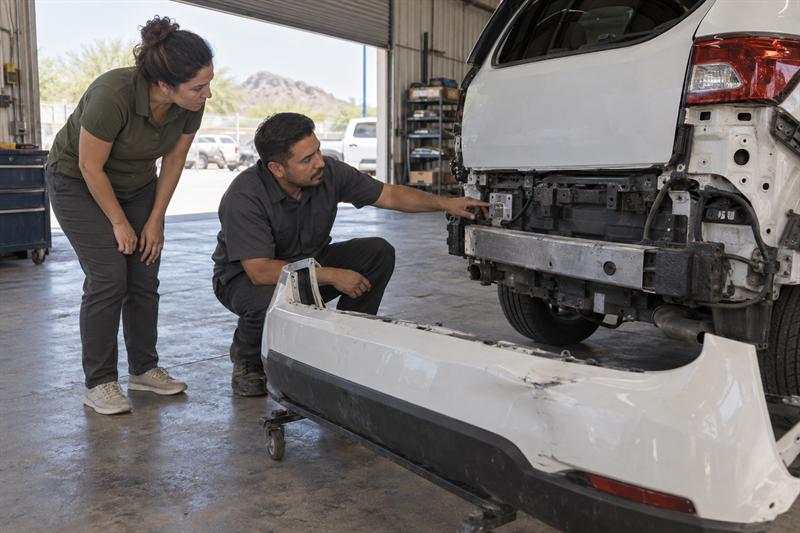
Collision damage is not always limited to what you can see. A bumper cover, fender, light, or hatch may show the impact, but the more important question is what changed behind it. Brackets, mounting points, sensors, alignment, and neighboring panels can all be part of the same event.
That is especially true after parking-lot hits and other low-speed impacts. The outside damage can look manageable, but the estimate may change once the affected area is inspected more closely. That is why the choice of shop matters before repairs begin, not halfway through them.
- Visible damage does not always reflect the full repair scope
- Minor impacts can affect lights, sensors, brackets, and alignment
- A rushed estimate usually leads to a rushed repair discussion
- The wrong repair path can create delays, supplements, and frustration later
If the vehicle has already been through a minor impact, a closer inspection helps reveal what should not be ignored. Revive Auto Center covers that in this post-collision inspection checklist.
Do You Have to Use the Shop Your Insurance Company Suggests?
No. An insurance company may suggest a shop, but that is different from deciding which shop is the best fit for the repair. The real issue is whether the shop is inspecting the vehicle thoroughly and explaining the repair clearly.
A common mistake is hearing one suggested name and assuming the choice has already been made. That is often where problems begin. If a shop is chosen only because it was mentioned first, the owner may never compare how different shops inspect, document, and explain the damage.
An independent body shop can give the customer more room to slow the process down and look closely at what the repair actually involves. That matters when the estimate feels thin, when the damage looks minor but may not be, or when the owner wants a repair conversation focused on the vehicle instead of simply moving the claim along.
For more context on how claims and repair decisions connect, see Revive Auto Center’s insurance information.
What to Look for in an Independent Collision Repair Shop in Phoenix
The best independent collision repair shop in Phoenix is not always the one with the fastest number. It is often the one with the clearest process. A quality shop should explain what it is checking, what it already knows, and what still needs to be confirmed before repairs move forward.
This is where an independent approach becomes practical. It can change how the estimate is written, how hidden damage is discussed, and how the repair plan is handled when new findings come up.
A Thorough Estimate Process, Not Just a Quick Visual Quote
A quick visual quote is not the same as a repair plan. If the estimate is based only on the outer panel damage, it may miss what sits behind the impact area. That usually leads to supplements, timeline changes, and a customer who is trying to understand why the number changed after the fact.
This is something many drivers notice when they compare shops. One estimate comes back quickly with very little explanation. Another takes more time, documents more, and explains what still needs to be checked. In collision repair, the more thoughtful estimate is often the one that gives the customer a clearer starting point.
Revive Auto Center explains that process in more detail in what to expect during a collision repair estimate.
Clear Communication About Parts, Procedures, and Timelines
A good shop explains what parts are likely involved, what the repair process looks like, and why the timeline may shift if additional damage is found. That matters because collision work does not always move in a straight line once the vehicle is disassembled and the full damage becomes easier to see.
Frustration usually starts when a shop promises a simple turnaround before the repair has been fully assessed. Once parts delays, added damage, or extra repair steps appear, the customer is left trying to catch up to a process that was never clearly explained.
Experience With Modern Vehicles, Sensors, and Calibrations
Modern vehicles add another layer to collision repair. Bumpers, mirrors, lights, and front-end panels are not just cosmetic surfaces. Many sit near cameras, radar components, or other systems that affect how the repair should be evaluated.
If a shop talks about collision damage as if it is only paint and panel work, that can be a warning sign. Minor-looking front or rear damage can involve more than expected once electronic systems and alignment-related issues are part of the review. That usually calls for a broader inspection, not a simpler one.
Drivers comparing repair options can also review the full collision repair service details to understand how broader repair work fits together.
Questions to Ask Before You Authorize Collision Repairs
This is the part of the process where better questions lead to better decisions. The goal is not to sound technical. It is to find out whether the shop is thinking through the repair or just moving toward approval.
These questions also reveal how the shop handles the situations that usually create the most frustration later: hidden damage, changing estimates, unclear parts decisions, and poor communication.
Will You Follow Manufacturer Repair Procedures?
This question matters because repair quality depends on method, not just price. A shop should be able to explain how it approaches the repair and why certain steps matter for the damage area and the vehicle involved.
If the answer stays vague, the repair plan often stays vague too. That can leave the owner with a job that sounds complete on paper but never feels clearly explained in practice.
How Do You Handle Hidden Damage and Supplements?
Supplements are common in collision repair because the full damage is not always visible during the first inspection. The more important issue is whether the shop explains that early and shows how additional findings will be documented and communicated.
This is one of the clearest trust tests in the process. A shop that explains hidden-damage discovery upfront is usually preparing the customer for a more realistic repair path. A shop that acts like the first estimate should cover everything can create confusion once teardown begins.
Will the Vehicle Need Scanning or ADAS Calibration?
This question helps show whether the shop is thinking beyond the damaged panel. Vehicles with sensors, cameras, or related systems may need a repair conversation that reflects that complexity, especially when the impact is near those components.
If the damage is near the bumper, grille, mirrors, lighting, or windshield area, the repair may need more than a cosmetic discussion. That does not mean every repair follows the same process, but it does mean the shop should be able to explain what systems may need attention and why.
What Parts Options Are Being Considered?
Parts choices affect fit, repair flow, and estimate differences. The shop should be able to explain what parts are being considered and how those choices connect to the repair plan.
Two estimates can look very different simply because they are based on different parts assumptions. If that is not explained early, the customer may end up comparing numbers that are not truly comparable.
How Will Updates Be Communicated During the Repair?
Communication problems usually start early. If the estimate process is unclear, the repair process often stays unclear too. A shop should explain how updates are shared, when changes are reported, and what the customer should expect if the timeline or scope changes.
That matters because collision repair is not only about the finished result. It is also about whether the owner understands what is happening while the vehicle is apart, parts are being sourced, and added findings are being resolved.
If you are seeing any of these signs, a more detailed collision estimate is usually needed:
- The damage looks minor, but the panels, lights, or bumper no longer sit correctly
- One estimate is much lower than another and no one has explained why
- The shop gives quick pricing but vague answers about procedures or hidden damage
- You were given a recommended shop, but still do not understand what the repair actually includes
When those signs show up together, the issue is no longer just choosing a shop. The vehicle often needs a more complete repair review before work is approved.
Red Flags to Watch Out for When Comparing Body Shops
Some warning signs show up before the repair even begins. If they are ignored, they often lead to the same problems later: changing estimates, poor communication, or repairs that feel incomplete.
- Pressure to authorize quickly: When a shop wants approval before fully explaining the damage, the process may be moving faster than the information.
- Vague answers about procedure: If the shop cannot explain how it approaches the repair, it may also struggle to explain changes later.
- No discussion of hidden damage: Collision damage rarely stops at the surface. Ignoring that early can lead to estimate surprises.
- Too much focus on the first price: A lower first number does not always mean a more complete repair. It may mean less has been identified.
- No mention of scans, calibrations, or final checks when relevant: That may mean the conversation is staying too narrow for the vehicle involved.
How the Estimate Process Reveals the Quality of the Shop
If there is one part of the process that tells the customer the most, it is the estimate. The estimate shows how the shop thinks. It reveals whether the focus is on getting a number out quickly or understanding what the vehicle actually needs.
Drivers run into this all the time when comparing estimates after a front-end or rear-end hit. The visible damage looks straightforward, and one shop has already given a number. Then a second shop reviews the same area more carefully and the difference becomes clear. One estimate priced the surface. The other started building a repair plan.
That distinction matters because estimate quality shapes repair quality. If the first conversation is incomplete, the rest of the process often becomes reactive. If the estimate is thorough, the repair path is usually clearer from the start.
Phoenix-Specific Considerations After a Collision
Phoenix driving conditions create their own repair concerns. Paint matching can be more noticeable on a vehicle that has spent years in intense sun. Stop-and-go traffic and crowded roads also increase the number of low-speed impacts that look minor but affect more than expected. Road debris adds another category of damage that is easy to underestimate at first glance.
This is where local experience helps. A vehicle may come in with what looks like simple bumper or panel damage, but closer inspection can reveal alignment concerns, light mounting issues, or finish-related complications that stand out more in harsh sunlight. In Phoenix, both the surface appearance and the underlying damage deserve careful attention.
Key Takeaways
- Choose a shop based on estimate quality, inspection depth, and repair clarity, not just the first price.
- Minor-looking damage often includes hidden issues behind the visible panel.
- An independent collision repair shop can give drivers more room to compare repair thinking, not just repair cost.
- The best questions to ask are about procedures, hidden damage, parts, scans, calibrations, and updates.
- If a shop cannot explain the repair clearly at the estimate stage, the rest of the process often gets harder.
Need Help Comparing Collision Repair Options in Phoenix?
If the damage looks minor but the estimates do not match, if the repair scope still feels unclear, or if the shop recommendation came before a real explanation, it may be time for a closer review. Revive Auto Center helps Phoenix drivers make sense of collision damage by looking beyond the surface, explaining what the vehicle may need, and building the repair conversation around the customer instead of the shortcut. If the signs discussed in this article sound familiar, request a free collision repair estimate for a clearer path forward.
Conclusion
The real challenge after a collision is not just damaged paint or bent panels. It is making a repair decision before the full damage, process, and priorities are clearly understood. When that step is handled poorly, the same issues often follow: incomplete estimates, confusing supplements, avoidable delays, and repairs that never feel fully explained.
That is why the next step should be practical and direct. Revive Auto Center is a strong choice for Phoenix drivers who want an independent collision repair shop that looks deeper, explains more, and takes the estimate process seriously from the start. If the vehicle has damage, the estimate feels incomplete, or the shop comparison is still unclear, getting the vehicle in front of Revive Auto Center can help move the process in a clearer direction.
FAQ
How do I choose a good collision repair shop in Phoenix?
Choose a shop based on how it inspects the damage, how clearly it explains the repair plan, and how realistically it communicates about hidden damage, parts, and timeline changes. A good collision shop is not just giving a number. It is showing how the repair will be approached.
One of the clearest differences is estimate quality. If one shop gives a fast price with little explanation and another documents more, asks better questions, and explains what still needs to be confirmed, the second shop is often giving you a more accurate starting point. That difference affects everything that happens next.
Do I have to use the body shop my insurance company recommends?
No. A recommended shop is not the same thing as the only option. The more important issue is whether the shop being considered is actually giving the vehicle a thorough inspection and a clear repair explanation.
What commonly gets misunderstood is that convenience and repair quality are not the same thing. Some drivers stay with the first suggested option because the process feels easier, but that does not answer whether the estimate is complete or whether the shop is addressing the vehicle’s actual repair needs.
Why are collision repair estimates so different from one shop to another?
Estimates differ because shops do not always identify the same damage at the same stage. One estimate may reflect only visible damage, while another includes a closer review of underlying parts, likely supplement areas, or different parts assumptions.
A simple example is bumper damage. One estimate may price the outer cover only. Another may include brackets, lighting concerns, mounting issues, or related alignment checks depending on the impact. The big takeaway is that estimate differences usually reflect inspection depth and repair scope, not just pricing style.
What questions should I ask before approving collision repairs?
Ask how the vehicle will be repaired, how hidden damage is handled, what parts are being considered, whether scans or calibrations are part of the discussion, and how updates will be communicated. Those questions reveal whether the shop is planning the repair carefully or just moving toward authorization.
The important distinction is in the answers. A strong answer explains process and reasoning. A weak answer stays general and avoids specifics. That often tells you whether the repair conversation is being handled with enough depth.
Can a minor collision cause hidden damage?
Yes. Minor collisions can create damage behind the visible panel, especially around bumpers, lights, mounts, alignment-related components, and nearby electronic systems. The outside condition does not always show what absorbed the impact.
This is where many drivers underestimate the repair. No airbag deployment and no major crumpling does not mean the damage stops at paint and plastic. If the impact changed panel fit, light position, bumper alignment, or how the vehicle drives, the repair often needs a closer look.
What is the benefit of using an independent body shop in Phoenix?
The benefit is that the repair conversation can stay centered on the vehicle and the customer’s priorities rather than simply following the first suggested path. That can affect how damage is explained, how parts are discussed, and how repair decisions are handled if additional issues are found.
In practical terms, independent matters most when the situation is not straightforward. If estimates vary, if hidden damage is likely, or if the explanation feels incomplete, an independent shop gives the driver more room to compare the repair thinking behind the estimate, not just the estimate itself.