
PPF vs Window Tint: What’s the Difference?
PPF and window tint are both protection products, but they protect different parts of the vehicle and solve different problems. That is where most of the confusion starts.
Paint protection film is applied to painted exterior panels. Window tinting is applied to the glass. One is meant to help with impact and surface wear. The other is meant to help with heat, glare, and interior sun exposure.
What paint protection film is designed to do
Paint protection film is used on the areas that usually take abuse first. That often includes the bumper, hood, fenders, mirror caps, and other forward-facing surfaces that catch road debris.
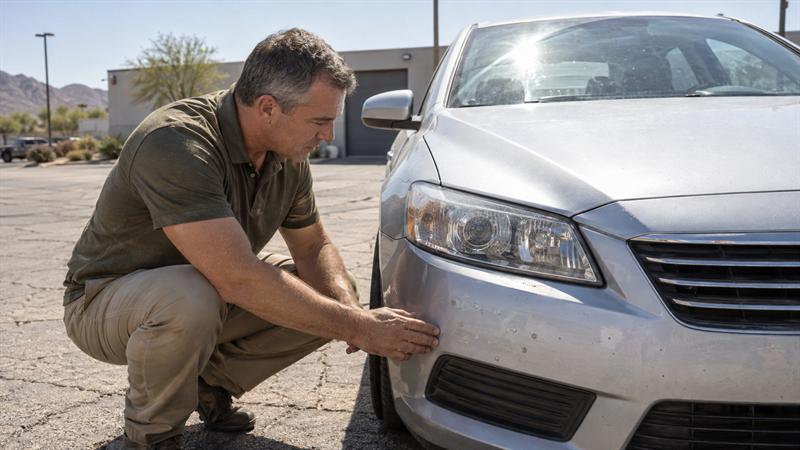
Many owners start thinking about PPF after the first visible chips show up. By then, the finish has already started taking damage. This becomes more noticeable for daily freeway drivers who deal with grit, sand, and repeated impact marks over time.
What window tint is designed to do
Window tint is designed to reduce glare, help manage heat, and limit UV exposure through the glass. It can improve daily comfort and help protect interior surfaces from long-term sun exposure.
What it does not do is protect painted panels. That is a common misunderstanding. If the issue is front-end wear, tint will not solve it.
Where ceramic film fits into the conversation
Ceramic film is a type of window tint, not a paint protection product. That distinction matters because “ceramic” gets used across multiple vehicle services and can create confusion quickly.
Ceramic tint works on the glass side of the vehicle. Ceramic coating is a different product category entirely. People often hear “ceramic” and assume the products do similar jobs, when in reality they protect different surfaces and address different concerns.
Why Phoenix Drivers Compare These Services Together
Phoenix drivers often compare PPF and tint together because they feel both problems at the same time. The cabin gets very hot, and the exterior takes wear from sun, dust, and road exposure.
That is why this is not just a product comparison. It is a prioritization decision. The better answer depends on whether the bigger concern is inside the vehicle, outside the vehicle, or both.
Heat, UV, and glare inside the vehicle
For many drivers, the discomfort shows up first. The cabin heats up quickly, sunlight feels harsh during long commutes, and interior materials stay exposed day after day.
This usually leads buyers toward tint first because the problem is immediate and constant. A car that sits outside all day can make the value of tint obvious much faster than exterior wear that develops gradually.
Road debris, dust, and paint exposure outside the vehicle
Exterior wear develops differently. Chips, sand abrasion, and front-end pitting usually build up over time, especially on vehicles that spend a lot of time at highway speeds.
That is one reason articles like Paint Repair vs. Color Change: How to Decide What Your Vehicle Needs can be useful for owners already dealing with visible finish issues.
What PPF Protects Better Than Window Tint
PPF is the stronger choice when the goal is protecting painted surfaces from physical damage. If the main concern is chips, sandblasting, and road rash, this is the product designed for that job.
The decision is usually straightforward: if the damage comes from impact or abrasion, PPF belongs at the top of the list. Tint does not solve that problem.
Rock chips and sand abrasion
Rock chips and sand abrasion hit painted surfaces directly, especially on the front of the vehicle. The bumper and hood usually show it first, then other exposed edges may start following the same pattern.
This is especially common on daily drivers that spend a lot of time on major roads. What starts as a few marks can turn into broader visible wear across the highest-impact areas.
High-impact areas on daily drivers
Not every vehicle needs the same film coverage. Some owners need targeted front-end protection. Others want broader coverage because the vehicle is newer, more exposed, or simply a higher-priority asset to preserve.
What usually goes wrong is choosing coverage based only on price without thinking about use. A freeway commuter with a newer vehicle typically notices damage first in the front impact areas. A limited-use vehicle stored indoors may not need the same approach.
If you are seeing these signs, protection is likely worth considering now:
- Small chips are already appearing on the bumper or front edge of the hood
- The vehicle spends a lot of time on highways or in heavy traffic
- The finish is still in strong condition and worth preserving before damage spreads
- You are trying to avoid shifting from protection work into later paint correction or repair
Once those patterns are showing up, waiting usually means the next step is no longer prevention. It becomes repair, refinishing, or accepting visible wear.
What Window Tint Protects Better Than PPF
Window tint is the stronger choice when the main problem is heat, glare, and sun exposure through the glass. If daily comfort is the first issue the driver notices, tint usually delivers the most immediate difference.
That is why comparing PPF and tint as if one is better overall misses the point. Each one is better at a different job.
Cabin heat and solar load
Cabin heat builds through the glass, not through the painted panels in the same way. A vehicle parked outside all day or driven regularly in direct sun usually makes this obvious quickly.
This is one of the clearest decision points. If getting into the car feels like the problem every single day, tint is addressing the right category of issue first.
Glare and interior material exposure
Glare affects visibility and comfort, while sun exposure wears on interior materials over time. Dash surfaces, trim, and upholstery all sit in that exposure path.
If you are already thinking about long-term interior condition, this connects naturally with broader care decisions. That is part of why service discussions around tint often overlap with options like auto detailing and interior preservation.
Ceramic Tint vs Standard Tint: Does the Material Matter?
Yes, the material matters because not all window films perform the same way. Buyers who specifically ask for ceramic tint are usually looking for stronger heat-management performance, not just a darker look.
The important distinction is that film type affects the result, but product choice is only part of the equation. Installation quality matters just as much, and weak installation can undercut the benefit the film was supposed to provide.
Why some drivers specifically ask for ceramic tint
Most people who ask for ceramic tint are not asking for a trend. They are trying to solve a comfort problem more directly.
That is especially true for drivers who spend a lot of time in the car or park outdoors consistently. They are often less focused on appearance alone and more focused on reducing the daily stress of heat and glare.
Performance differences buyers should understand
The product matters, but so do the fit, finish, and application. Poor installation creates frustration quickly, even when the film itself is a solid option.
This is where buyers sometimes focus too much on the label and not enough on execution. The real outcome depends on both. That is true across vehicle appearance work in general, which is also why comparison topics like Paintless Dent Repair vs. Traditional Body Repair matter to people trying to understand process quality instead of just service names.
Which One Should Come First?
For most drivers, the right first step depends on what the vehicle is exposed to most. If road damage is already showing up, PPF usually comes first. If heat and glare are the daily pain points, window tint usually comes first.
The mistake is trying to force one universal answer. The practical answer is to start with the problem that is already affecting the vehicle every day.
Choose PPF first if…
Choose PPF first if the vehicle sees a lot of freeway driving, the paint is still in strong condition, or preserving the finish is the top priority. This is especially true when chips are already starting in the front impact areas.
If the front bumper and hood are collecting visible damage, the vehicle is already showing the type of exposure that PPF is meant to address.
Choose window tint first if…
Choose window tint first if the vehicle is parked outside regularly, cabin heat is the daily frustration, or glare is making the driving experience worse. This is the more practical starting point when the discomfort is immediate and consistent.
If left unaddressed, the same frustration repeats every day the car is used.
Choose both if…
Choose both if the vehicle takes heavy sun exposure and steady road exposure at the same time. This is common for drivers who commute frequently, park outdoors, and care about both comfort and long-term appearance.
In that case, the smarter decision is not picking a winner between them. It is building the right sequence. Broader appearance or styling goals can also overlap here, which is where services like custom accessory installations sometimes become part of the conversation.
Common Phoenix Vehicle Protection Setups
Most drivers do not need every service. They need the right combination for how the vehicle is actually used.
This is where generic content usually falls short. It explains products one by one but does not show how owners tend to combine them based on use, exposure, and priorities.
Daily commuter setup
A daily commuter usually benefits from tint first, selective front-end PPF, or both depending on the route and amount of freeway time. The key is repetitive exposure. The same conditions are hitting the vehicle every day.
This usually makes one of two priorities obvious quickly: interior discomfort or front-end wear. The better setup follows whichever issue is showing up first and strongest.
New vehicle preservation setup
A newer vehicle shifts the decision toward preservation. If the paint is still clean and the owner wants to keep it that way, early protection matters more than waiting until damage becomes visible.
This is where delays usually get more expensive. Once wear is already established, the conversation changes from protecting the finish to correcting it.
Performance or enthusiast vehicle setup
Performance and enthusiast vehicles usually bring different priorities. Appearance quality, finish condition, selected coverage areas, and customization choices all tend to matter more.
This setup is less about minimum function and more about preserving the way the vehicle presents. That usually makes the decision more intentional from the beginning.
Common Misunderstandings to Avoid
Most confusion in this category comes from overlapping marketing language. Clearing that up makes the decision easier and helps prevent wasted money.
PPF is not a heat-control product
PPF protects painted surfaces. It does not solve cabin heat through the glass.
If the car feels very hot every afternoon, tint is usually the missing solution, not more exterior film.
Window tint does not stop rock chips in painted areas
Window tint helps with glass-related heat and glare issues. It does not protect the bumper, hood, or fenders from impact damage.
If the front of the vehicle is collecting small chips, the protection gap is on the paint side, not the glass side.
Ceramic tint and ceramic coating are different products
Ceramic tint is a window film category. Ceramic coating is a surface treatment category. They are not interchangeable.
This gets misunderstood because the same descriptive word appears in different services. What matters is where the product goes and what problem it is supposed to solve.
How to Choose the Right Protection for Your Vehicle
The right decision starts with the real problem, not the trendiest product name. If the goal is clear, the choice gets much easier.
At Revive Auto Center, this is where the conversation becomes useful. Instead of pushing one option across the board, the better approach is matching the service to what the vehicle actually deals with every week.
Questions to ask before booking
- Is the main problem road damage, cabin heat, or both?
- Does the vehicle spend more time on highways or parked outside?
- Is the paint still in condition worth preserving now?
- Are you trying to stage the work over time or solve it all at once?
Those answers usually make the right starting point clearer. If the problem is not identified correctly, the wrong service gets prioritized and the real issue stays in place.
When installation quality matters as much as the film itself
Film quality matters, but the install matters just as much. Poor prep, weak edge work, or rushed application usually leads to disappointing results no matter what product was chosen.
Buyers sometimes make the right product decision but still get a weak result because execution was the problem. Surface condition and prep work also matter, which is why related services like detailing or paint-focused correction can influence the final outcome.
Key Takeaways
- PPF protects painted exterior surfaces from chips and abrasion.
- Window tint helps manage heat, glare, and UV exposure through the glass.
- Ceramic tint is a type of window film, not a substitute for PPF.
- If road damage is already showing up, PPF usually comes first.
- If cabin heat and glare are the daily problem, tint usually comes first.
- Installation quality and prep affect the result as much as product choice.
Conclusion
The real issue is not choosing between two identical upgrades. It is identifying whether the vehicle needs exterior impact protection, interior heat control, or both.
At Revive Auto Center, the practical next step is matching the service to the vehicle’s exposure pattern instead of guessing based on labels. If the vehicle is already showing front-end wear, dealing with constant cabin heat, or doing both at once, explore PPF services, compare window tinting options, or use the free quote page to take the next step.
How Revive Auto Center Approaches the Decision
Revive Auto Center approaches this choice by starting with how the vehicle is used, where the stress shows up first, and what the owner is actually trying to preserve. That keeps the recommendation grounded in exposure patterns instead of generic package language.
If the front of the vehicle is already collecting wear, the paint protection conversation should happen early. If the daily frustration is heat and glare every time the car is driven or parked outside, the tint conversation usually comes first. That kind of sorting helps owners avoid paying for the wrong priority.
FAQ
Is PPF the same as window tint?
No. PPF protects painted exterior surfaces, while window tint works on the glass to help reduce heat, glare, and UV exposure.
The difference matters because the products solve different problems. If the front bumper is taking chip damage, tint does nothing for that. If the cabin is overheating every day, PPF does not address that either. The decision gets easier once the problem is identified correctly.
Should I get PPF or window tint first in Phoenix?
Get PPF first if the main issue is exterior chip damage or preserving a newer finish. Get window tint first if the daily problem is heat, glare, and sun exposure inside the cabin.
The deciding factor is usually exposure. Road exposure pushes the decision toward PPF. Sun exposure through the glass pushes it toward tint. When both are heavy, many owners end up doing both in stages instead of treating them like either-or options.
Does ceramic tint protect paint like PPF?
No. Ceramic tint is still a window film product, so it works on the glass side of the vehicle rather than the painted panel side.
This gets misunderstood because “ceramic” appears in multiple vehicle service categories. In this case, ceramic tint is about window film technology. It does not replace PPF for rock chips, sand abrasion, or front-end paint wear.
Is window tint enough protection for extreme sun and heat?
It is enough if the main problem is heat, glare, and glass-related sun exposure inside the vehicle. It is not enough if the owner is also trying to protect painted exterior panels from road damage.
That distinction changes the whole decision. Tint addresses interior comfort and exposure through the glass. It does not cover the separate problem of front-end paint wear, which is why some drivers need a broader protection plan.
Is PPF worth it for daily freeway driving?
Yes, daily freeway driving is one of the clearest reasons to consider PPF because that is where repeated chip and abrasion exposure usually starts showing up.
Small marks often show up first on the bumper and hood, then visible wear spreads across the highest-impact areas. If the vehicle sees that kind of use consistently, waiting usually means the finish takes more damage before any protection is added.
Can PPF, window tint, and other protection services be combined?
Yes. They are commonly combined when the vehicle has both exterior exposure and interior comfort concerns.
The important part is making sure each service solves a specific problem. A daily commuter parked outside and driven on highways has a stronger reason to combine them than a lower-use vehicle kept indoors most of the time. The better combination depends on how the vehicle is actually used, not on stacking services just because they are available.