
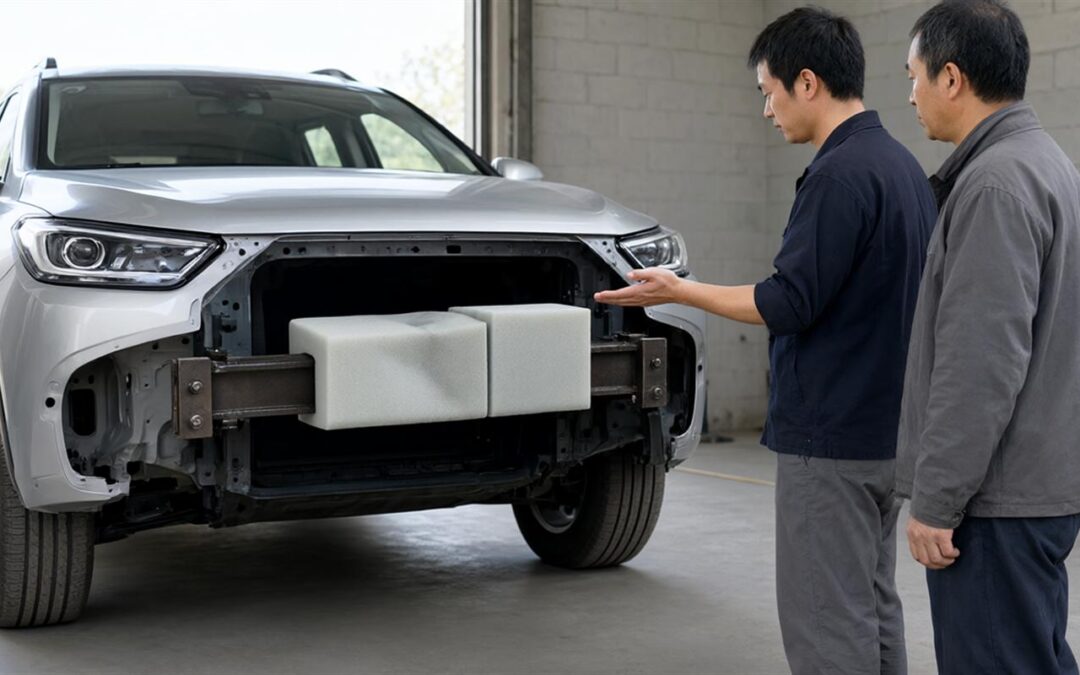
When you look at a damaged bumper, the first thing you notice is usually the cover—the painted part that sits on the outside. It’s the part that shows when you park too close or hit a curb. But what you don’t see can be just as important. The cover is the outer shell of a much bigger assembly, with structure, wiring, and other systems packed in behind it. Understanding both the visible and hidden aspects of bumper damage helps you make an informed repair decision. Before any repair is done, it’s worth taking a moment to observe what’s going on. This step can help separate cosmetic concerns from more serious issues that might need attention, whether through repair or replacement.
Knowing what to look for can mean the difference between a simple fix and a more involved process. The cover may appear fine, but the parts behind it could be compromised. A careful look before repair is authorized is what separates a cosmetic estimate from one that accounts for what the impact actually reached, including the parts that affect how the vehicle drives. This article provides a practical approach to recognizing the full scope of bumper damage and what it might mean for your repair options.
What Sits Behind the Bumper Cover
A modern bumper is not a single part but an assembly of multiple components. The visible cover is just the start. Beneath it, the structure includes an energy absorber made of foam or a crushable material, a reinforcement bar, and mounting brackets that secure the whole unit to the body. These parts are designed to absorb and distribute impact, protecting the vehicle and its occupants. Hidden bumper damage is the part of the story the cover does not tell. Even if the cover looks undamaged, the structure underneath can carry the impact on its own. Paint and flexible plastic hide that difference well, which is why a glance at the bodywork rarely settles the question.
On many vehicles, the front fascia is more than just a bumper. It also houses or sits beside parking sensors, radar or camera units, fog lamps, grilles, active shutters, and wiring. The washer reservoir is often nearby, with the radiator and condenser just behind. Similarly, the rear bumper includes taillight housings, the trunk or hatch latch area, exhaust hangers, and the rear body panel. These parts are close enough to the bumper cover that they can be affected by the same impact. A thorough inspection must consider the entire assembly, not just the cover, to determine the full extent of the damage and the appropriate repair path.
What the Cover Itself Can Tell You
The bumper cover can give clues about the damage it has sustained. Clips, tabs, and mounting brackets often break before the cover shows any signs of cracking. This means the cover might look fine, but it’s no longer attached properly. If you press on the cover and feel it flex or rattle, that’s a sign something is wrong. Similarly, if the gaps between the cover and the fender or hood are uneven, it could point to misalignment or structural issues. None of these confirms structural damage on its own, and none rules it out either. What they do is tell an estimator where to look.
Other visible signs include fogging or moisture inside a lamp housing. That can indicate a broken seal or a damaged housing. The lamp may still light, but moisture inside a housing is a reason to look closer before the cover goes back on. A wider pass over panels, lights, tires, and alignment belongs in the checklist for the hours after a minor collision the inspection checklist for a minor collision, and the bumper is one line on that list. Taken together, they give an estimator something specific to check rather than a general complaint about a bump.
Signs That Show Up Once You Drive Again
Some signs of bumper damage only appear once you start driving again. These may include new noises over speed bumps or driveway aprons, a steering wheel that no longer sits centered, a warning from a driver-assistance feature, or a trunk lid that no longer closes the way it did. These symptoms can point to hidden issues like a bracket that let go or a sensor that is out of alignment. The bumper is not just a cosmetic part; it’s connected to various systems that affect the vehicle’s handling, visibility, and safety.
Much of what turns up later is bumper damage after accident day has passed: a bracket that let go, a housing that no longer seals, a sensor that sits a few degrees off. Whether a sensor or camera needs recalibration depends on the vehicle and on what its manufacturer specifies, and that question is settled by reading the service information for your car rather than by assuming. The answer changes the parts list, which is why the later signs are worth mentioning before work is approved.
Why a Low-Speed Impact Still Reaches Structure
A low-speed impact may not leave visible dents on the bumper cover, but it can still affect the structure beneath it. The energy from the collision can compress the foam energy absorber and bend the reinforcement bar without causing any noticeable damage to the cover itself. None of that is obvious at a glance, and it can leave the absorber and the reinforcement bar out of shape while the systems mounted in the fascia, such as parking sensors or cameras, sit in a slightly different position than they were built for.
The cover is built to flex and take a parking-lot knock without cracking. The parts behind it are not built to spring back the same way, and the energy that arrives at the reinforcement bar does not disappear when the cover looks fine. None of it shows up in a photograph of a scuff mark, which is why the check happens on the car rather than on a phone screen. That is also the point at which the question stops being cosmetic and becomes a question about which parts of the assembly need attention.
What to Note Before You Approve a Repair
Before approving a repair, put your observations about the bumper in writing. This includes both visible signs and any symptoms that appear after driving again. A written estimate separates damage that is visible now from damage that may need a closer look once parts come off. Hidden damage might not be apparent until the bumper is disassembled, and the estimate can change accordingly. That is also the moment to ask what would change the estimate if something turns up once the cover comes off.
The notes from those first days are what the estimate conversation starts from what to expect during a collision repair estimate, so the detail is worth the five minutes it takes. Documenting what you see or feel in the hours after the incident can help the repair shop understand the full picture. A shop working from specific notes can price what is actually there instead of what the damage looked like in a photograph taken at the curb.
Repair Paths That Follow From the Inspection
Once the inspection is complete, you may find that the repair path depends on the extent of the damage. Where the cover is cracked, torn, or missing whole sections, replacement tends to be the path. Where the cover is intact but its mounting points are broken, repair can still be worth discussing. Paint matching on a repaired cover is done with color-matching equipment rather than an eyeballed mix, so the finished panel reads as part of the car instead of a patch. That is the decision bumper repair Phoenix drivers face after a low-speed impact.
Depending on the findings, the options split between paintless dent repair, which works on dents where the paint is intact, and repair-and-refinish work on the cover itself. Where the damage is a dent in an intact panel, paintless dent repair is the lighter path, and the comparison between paintless dent repair and traditional body repair shows where that option stops fitting. Which of the two fits depends on the paint and the shape of the panel, not on how large the scuff looks in a photograph. Frame straightening, panel replacement, paint matching, and refinishing all sit within the collision repair services at Revive Auto Center, and each one is called for by what the inspection finds rather than by habit. You are free to choose the shop that repairs your car, and Revive Auto Center works for the owner of the vehicle rather than under insurer agreements, so the repair plan follows the car’s condition and your decision about it.
Key Takeaways
- The bumper cover is only one part of a larger assembly that includes structural components and integrated systems.
- Damage to the cover may not always reflect the full extent of the issue behind it, and vice versa.
- Visible signs such as uneven gaps, flexing, or fogging inside a lamp housing can indicate hidden damage.
- Some issues may only become apparent once you begin driving again, such as new noises or misaligned sensors.
- Documenting initial observations gives the estimate something specific to work from.
Conclusion
Understanding what the impact actually reached helps you make a decision you can explain and defend a year later. Estimates and consultations at Revive Auto Center are free, which leaves room to ask what a particular observation means before anything gets scheduled. With more than 25 years of experience serving Phoenix drivers, the shop has seen how much sits behind a modern bumper cover. If you’re not sure what to look for or how to proceed, take a few minutes to observe and document any issues you notice. Then, you can request a free estimate request a free estimate and move forward with a repair that matches what the inspection actually found.